


Table of Contents
- Why Does Timing Matter When It Comes to Mold Remediation?
- Common Signs That Indicate It Is Time for Professional Mold Remediation
- Can Mold Require Remediation If I Cannot See Any Spots?
- When Should I Consider Remediation After a Water Leak or Flooding Event?
- Understanding Indoor Air Quality and Physical Comfort
- How Reliable Is DIY Mold Removal?
- Professional Mold Remediation Methods and How They Work
- How Does a Typical Professional Mold Remediation Visit Proceed?
- When Should I Consider Clearance Testing After Remediation?
- When Mold Conditions Deserve Prompt Professional Attention
- Misconceptions That Keep Property Owners From Requesting Remediation
- Understanding Why Mold Type and Extent Matter
- How Can Professional Remediation Reduce Unnecessary Demolition or Repairs?
- Preventive Steps to Take After Mold Remediation
- How Do Professionals Keep the Remediation Scope Accurate and Objective?
- What Your Remediation Plan and Consultation Should Include
- Simple Ways to Prepare for Inspection and Remediation
- Understanding the Difference Between Mold Inspection and Mold Remediation
- Boundaries and Realistic Scope of Mold Remediation
- Frequently Asked Questions
- Looking to Take Control of Your Space? MoldGone Is Ready to Help
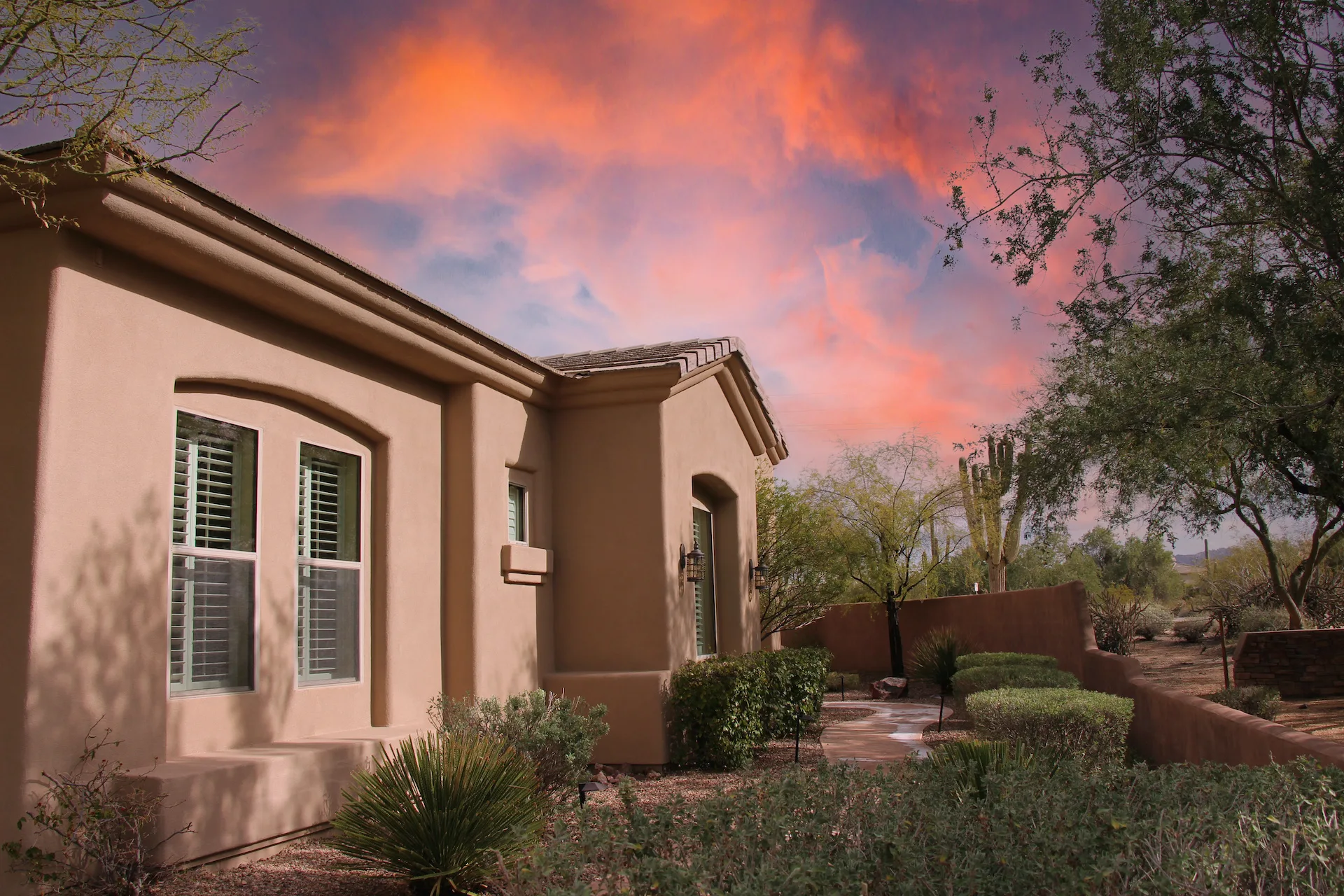
Visible mold growth, recurring musty odors, unresolved water damage, and contaminated building materials are common signs you need mold remediation in Arizona. If mold keeps coming back or covers a larger area, it’s time to bring in MoldGone for real answers, not guesswork.
Recognizing these warning signs can help you move from uncertainty to an informed plan for your Arizona property.
Why Does Timing Matter When It Comes to Mold Remediation?
Mold needs moisture to grow. According to the U.S. Environmental Protection Agency, drying water-damaged materials within 24 to 48 hours can help prevent mold growth. Once mold becomes established, waiting may allow it to affect additional drywall, insulation, flooring, or other porous materials.
Early action can also make it easier to identify the moisture source. Cleaning visible spots without correcting a plumbing leak, roof problem, or blocked air-conditioning drain line may provide only temporary improvement. Not every small area requires professional remediation. The extent of the growth, the affected materials, the source of the moisture, and the possibility of hidden contamination all influence the appropriate response.
 Common Signs That Indicate It Is Time for Professional Mold Remediation
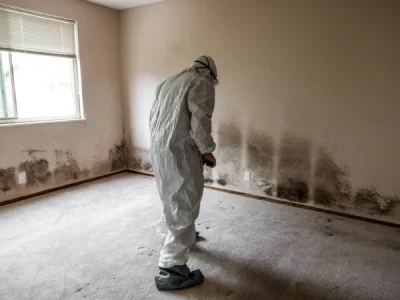
Many property owners first notice a few discolored spots or an unusual odor. These conditions do not automatically mean extensive remediation is necessary, but they should not be ignored.
Consider requesting a professional evaluation if you notice:
- Mold covering a wall, ceiling, floor, or multiple areas
- A musty or earthy odor that remains after routine cleaning
- Mold returning in the same location
- Spreading water stains or discoloration
- Damp drywall, carpet padding, insulation, or other porous materials
- Growth near an HVAC intake, air handler, or ductwork
- Water damage extending into concealed areas
- An affected area that cannot be cleaned without disturbing substantial growth
- Uncertainty about how far the problem extends
MoldGone’s mold inspection process gets you real answers about what’s happening inside your walls, not assumptions.
Can Mold Require Remediation If I Cannot See Any Spots?
Yes. Learning how to tell if you have mold involves looking beyond visible growth. Mold may develop behind drywall, beneath flooring, under sinks, above ceilings, or inside cabinets when moisture reaches concealed materials.
A musty odor without a visible source often justifies further investigation. In Phoenix-area properties, concealed condensate leaks around air handlers or ductwork can leave nearby materials damp.
Warped baseboards, softened drywall, or recurring stains may indicate hidden moisture. These conditions do not confirm mold by themselves, but a visual inspection, moisture measurements, and targeted testing when appropriate can provide better information before a remediation plan is developed.
When Should I Consider Remediation After a Water Leak or Flooding Event?
A small leak that is found quickly and thoroughly dried may not result in mold growth. Concern increases when water reaches porous materials, remains unnoticed, or repeatedly affects the same area.
Situations that may require closer evaluation include:
- A plumbing leak that soaked drywall, framing, or cabinetry
- A roof leak that affected attic insulation or ceiling materials
- Standing water that reached flooring or baseboards
- An appliance overflow that spread into nearby rooms
- Water entering around a window or exterior opening
- Materials that remain damp or smell musty after repairs
- Water damage involving sewage or contaminated water
Arizona’s dry outdoor climate does not prevent mold from developing inside damp materials. Monsoon-related water intrusion and air-conditioning condensate problems can create localized moisture inside a property. These are practical areas to investigate when indoor mold signs appear in a Phoenix-area home.
Understanding Indoor Air Quality and Physical Comfort
Some Arizona property owners decide to investigate their indoor environment after noticing persistent coughing, wheezing, nasal stuffiness, eye irritation, or skin irritation. The Centers for Disease Control and Prevention notes that damp and moldy environments may cause these effects in some people, while others may experience no effects.
These symptoms have many potential causes. They cannot confirm that mold is present, identify a mold type, or prove that a building condition caused an illness.
A professional environmental evaluation focuses on the building itself, identifying visible concerns, moisture conditions, and areas where concealed growth may warrant further investigation, rather than offering medical diagnoses. If you have ongoing health concerns, consult a qualified healthcare provider. Separately, a property evaluation can investigate visible concerns and moisture conditions that may require attention.
How Reliable Is DIY Mold Removal?
Cleaning a small area of surface growth may be appropriate in limited situations. However, DIY cleaning cannot show whether mold extends into drywall, insulation, carpet padding, or another concealed material.
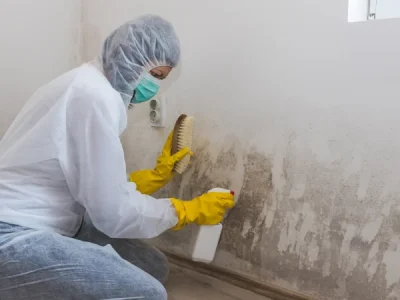
Surface cleaners may change the appearance of a spot without correcting the moisture source or removing contaminated porous material. Scrubbing a substantially affected area may also disturb mold and release particles into the surrounding space.
The EPA states that homeowners can generally handle a moldy area smaller than about 10 square feet in many cases. Professional guidance is more appropriate when growth is extensive, hidden, recurring, connected to significant water damage, or located near an HVAC system.
Professional Mold Remediation Methods and How They Work
The correct remediation method depends on the affected area, materials, moisture source, and extent of contamination. A professional plan may use several methods:
- Containment separates the work area from unaffected rooms.
- HEPA filtration captures very small airborne particles during remediation.
- HEPA vacuuming removes settled particles from appropriate surfaces.
- Material removal addresses porous items that cannot be adequately cleaned.
- Surface cleaning treats materials that can safely remain.
- Moisture correction addresses the condition that allowed growth to develop.
- Dry-fog remediation may be used to treat difficult-to-reach spaces while limiting demolition when appropriate. Structurally compromised or heavily water-damaged porous materials may still require physical removal.
No single method fits every property. The remediation plan should be based on inspection findings rather than assumed from a photograph, odor, or stain alone.
How Does a Typical Professional Mold Remediation Visit Proceed?
A professional visit usually begins with questions about leaks, odors, visible changes, previous repairs, and when the concern first appeared. The property is then evaluated for visible growth, water intrusion, and elevated moisture.
Depending on the findings, the process may include:
- Inspecting the affected and surrounding areas
- Measuring moisture in building materials
- Checking plumbing and HVAC components
- Identifying materials that can be cleaned or must be removed
- Establishing containment
- Using HEPA filtration during the work
- Cleaning or removing affected materials
- Correcting or documenting the underlying moisture source
- Recommending follow-up inspection or testing when appropriate
The scope should explain what will be treated, how unaffected spaces will be protected, and what must happen before the work can be considered complete.
When Should I Consider Clearance Testing After Remediation?
Clearance testing, sometimes called post-remediation verification, may be useful after a larger or more complex project. It can help evaluate whether the remediation scope was completed and whether the treated area is ready for reconstruction or normal use.
It may be especially helpful when:
- Mold affected a substantial area.
- Hidden contamination was involved.
- Documentation is required.
- The property is involved in a real estate transaction.
- Occupants have particular health concerns.
- Independent confirmation would provide useful evidence.
Clearance testing should be performed after remediation work is finished and the area has passed a visual evaluation. The results should be considered with the project scope, moisture findings, and condition of the treated materials.
 When Mold Conditions Deserve Prompt Professional Attention
Some situations deserve prompt professional attention even though not every mold concern is an emergency.
Prioritize an evaluation when:
- Water damage affects multiple rooms.
- Mold growth is spreading across materials.
- Sewage or contaminated water is involved.
- Mold may be present inside an HVAC system.
- Ceiling materials appear wet, weakened, or unstable.
- A large affected area could be disturbed during repairs.
- Someone with asthma, chronic lung disease, or a weakened immune system occupies the property.
If an active electrical hazard, structural danger, or significant contaminated-water event is present, address the immediate safety concern before entering or disturbing the area.
Misconceptions That Keep Property Owners From Requesting Remediation
One common misconception is that mold is only a concern when it appears black. Mold can appear in several colors, and color alone does not identify the species or determine the appropriate response.
Another misconception is that painting over mold solves the problem. Paint may cover discoloration temporarily, but it does not remove contaminated material or correct the moisture supporting growth.
Some property owners also assume Arizona is too dry for indoor mold. Mold can still develop wherever plumbing leaks, roof damage, condensate problems, or other conditions keep building materials damp.
Finally, remediation does not always mean removing every wall or floor. A careful evaluation helps define which materials require treatment and which can remain.
Understanding Why Mold Type and Extent Matter
The appearance of mold cannot reliably identify its type. More importantly, the color of a patch does not establish how much material is affected or whether growth extends into a concealed area.
The location and extent of the problem are more useful when planning remediation. Growth limited to a small nonporous surface presents a different situation from mold affecting drywall, insulation, carpet padding, or an HVAC component.
Professional mold testing may provide helpful evidence when the source is unclear, hidden growth is suspected, documentation is required, or the results could change the remediation plan. Testing is not automatically necessary when visible mold is already present, and the remediation scope is clear.
How Can Professional Remediation Reduce Unnecessary Demolition or Repairs?
A careful inspection can help identify which materials are affected before removal begins. Nonporous and some semi-porous surfaces may be suitable for cleaning, while heavily contaminated drywall, insulation, carpet padding, or other porous materials may require removal.
Defining the affected area allows the remediation team to focus its work while protecting materials that do not need to be disturbed. The appropriate approach should depend on the condition of each material, not simply on minimizing demolition.
Preventive Steps to Take After Mold Remediation
Correcting the moisture source is essential because remediation cannot prevent future growth after a new leak or water event.
Practical preventive steps include:
- Repair plumbing and roof leaks promptly.
- Keep air-conditioning drain lines and pans working properly.
- Dry wet materials as quickly as possible.
- Use ventilation in bathrooms and other moisture-producing areas.
- Watch previously affected areas for new staining or odors.
- Investigate unexplained increases in indoor moisture.
- Maintain roofing, plumbing, windows, and HVAC equipment.
- Avoid covering damp or stained materials before the source is identified.
These steps cannot guarantee that mold will never return, but they reduce the conditions that allow indoor growth to develop.
How Do Professionals Keep the Remediation Scope Accurate and Objective?
The remediation scope should be based on documented conditions, including visible findings, moisture measurements, the history of the water event, and laboratory results when testing is appropriate.
Photographs and written findings can show why a material should be cleaned or removed. If testing is performed, independent laboratory analysis can provide additional information, but the results should be considered alongside the property inspection.
What Your Remediation Plan and Consultation Should Include
The remediation plan should identify the work area, affected materials, containment method, cleaning or removal procedures, moisture correction, and any recommended follow-up.
During the consultation, ask:
- Which materials can remain?
- Which materials require removal?
- How will unaffected rooms be protected?
- Who will correct the moisture source?
- Is clearance testing recommended?
- What must happen before reconstruction begins?
The consultation should give you a clear scope, explain the reasoning behind it, and establish practical next steps.
Simple Ways to Prepare for Inspection and Remediation
A few low-risk preparations can help the evaluation proceed efficiently:
- Stop an active leak if you can do so safely.
- Record when the odor, leak, or discoloration first appeared.
- Photograph visible growth and water damage.
- Gather details about previous roofing, plumbing, or HVAC repairs.
- Clear a safe path to the affected area.
- Avoid painting over or aggressively scrubbing visible growth.
- Do not direct a fan toward the suspected area.
- Avoid opening walls or removing heavily affected materials yourself.
Tell the provider about any access limitations, ongoing leaks, or occupants with relevant health concerns before the appointment.
Understanding the Difference Between Mold Inspection and Mold Remediation
A mold inspection evaluates the property for visible growth, moisture conditions, water intrusion, and areas that may require further investigation. Testing may be added when laboratory data would help answer a specific question.
Mold remediation is the process of addressing confirmed contamination. It may involve containment, particle control, surface cleaning, material removal, and moisture correction.
Inspection defines the concern. Testing can provide additional evidence. Remediation addresses the affected area. Understanding these roles can help you avoid approving work before the extent and cause of the problem are clear.
Boundaries and Realistic Scope of Mold Remediation
Mold remediation addresses identified contamination within a defined work area. It does not determine whether mold caused a medical condition, guarantee that mold will never return, or identify every unrelated moisture problem elsewhere in the property.
Future leaks or water intrusion can create new conditions for growth. Continued prevention depends on correcting moisture problems, maintaining the property, and responding promptly when new water damage occurs.
Frequently Asked Questions
Does Every Sign of Mold Mean I Need Professional Remediation?
No. A small area of surface growth may sometimes be handled without a professional project. Remediation is more likely to be appropriate when growth is extensive, hidden, recurring, connected to significant water damage, or affecting porous materials.
Should Mold Be Tested Before Remediation?
Not always. When visible mold is present and the affected area is clear, testing may not change the remediation plan. Testing can be helpful when growth may be hidden, the source is uncertain, documentation is needed, or laboratory findings could change the scope.
Can I Stay in My Home During Mold Remediation?
That depends on the size and location of the project, the containment plan, and the needs of the occupants. Ask which areas will be restricted and whether temporary relocation is recommended. People with medical concerns should seek individualized guidance from a qualified healthcare professional.
Is Black Mold More Dangerous Than Other Mold?
Color alone does not establish how mold may affect a person or how it should be remediated. The moisture source, affected materials, and extent of contamination are more useful for planning the work.
Why Does Mold Return After Cleaning?
Recurring mold often means moisture remains or contaminated porous material was not fully addressed. An active leak, damp drywall, condensation, or water trapped beneath flooring may continue supporting growth after the visible surface has been cleaned.
Looking to Take Control of Your Space? MoldGone Is Ready to Help
Noticing one warning sign does not mean you should assume the worst. It means your property may deserve a closer look. If visible growth, recurring odors, or unresolved moisture leave you unsure about the next step, MoldGone can evaluate the conditions and explain whether inspection, testing, or mold remediation is appropriate.
Contact MoldGone to schedule an evaluation and receive practical guidance based on your property’s actual condition.
View more tips and information about mold remediation.

Is There Mold in Your House?
Just like creepy-crawly insects and uninvited guests, mold is not something anyone ever wants in their home. No matter how clean or organized you keep your house, mold can still [...]
Avoid Mold In Your Kitchen By Doing These Things
Mold in your kitchen can prevent you from cooking and hurt your health in the process. You don’t want to be cooking a big meal and smell mold instead of [...]

White Mold: What Is It and Why Is It Dangerous?
White mold often indicates the early stages of a mold infestation in your home. Although it’s a term that can be applied to many common types of indoor mold, it’s [...]
Service Area
Also serving outside of Maricopa County for an additional fee.